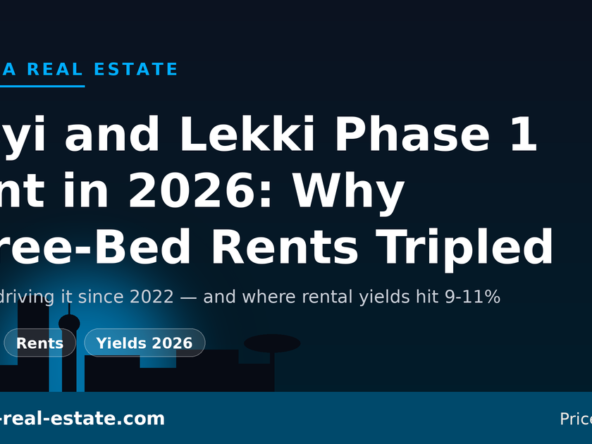
For many Nigerians, rent is the single heaviest household expense — and it keeps climbing. In prime parts of Lagos and Abuja, rents jumped sharply in 2025, and tenants are often asked to pay one to two years upfront. With pressure mounting, rent regulation is back on the national agenda. So what would rent control actually mean for tenants and landlords?
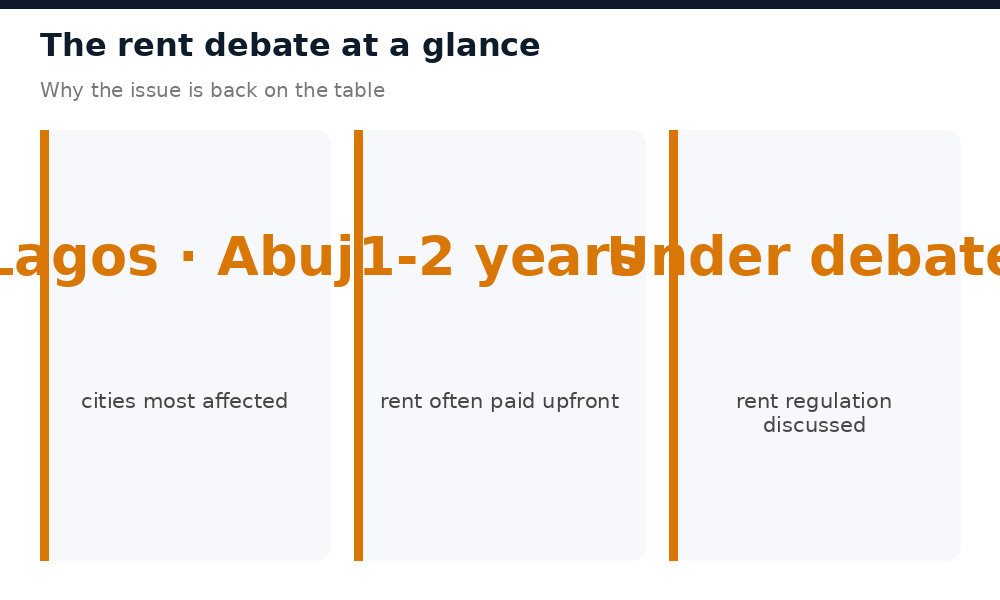
The rent debate at a glance
The cities most affected are Lagos and Abuja, where the upfront-rent culture strains household budgets. As affordability worsens, policymakers and industry voices are openly discussing regulation — from incentives for rental supply to outright rent caps.
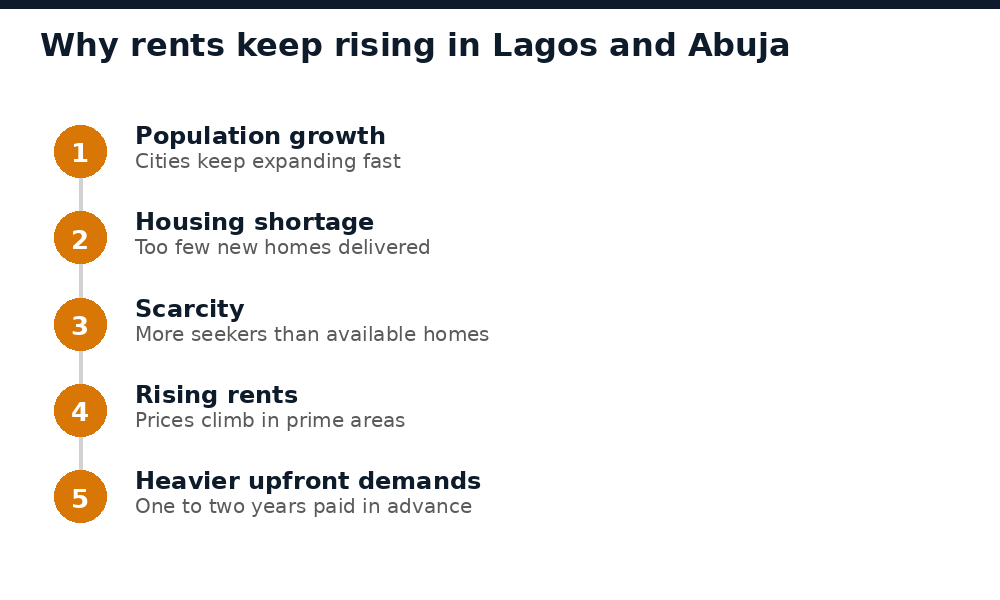
Why rents keep rising
The drivers are familiar: rapid population growth, a persistent housing shortage, resulting scarcity, and therefore rising rents and ever-heavier upfront demands. Until supply catches up with demand, upward pressure is likely to continue.
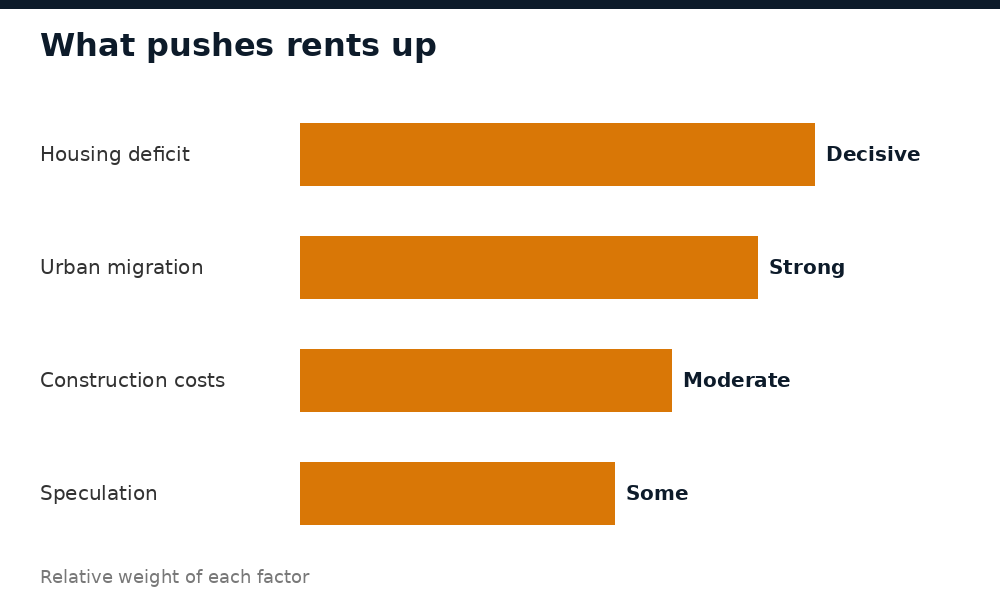
What pushes rents up
The biggest single factor is the housing deficit, compounded by urban migration. Add high construction costs and a degree of speculation in hot neighbourhoods, and you have a recipe for steep rents.
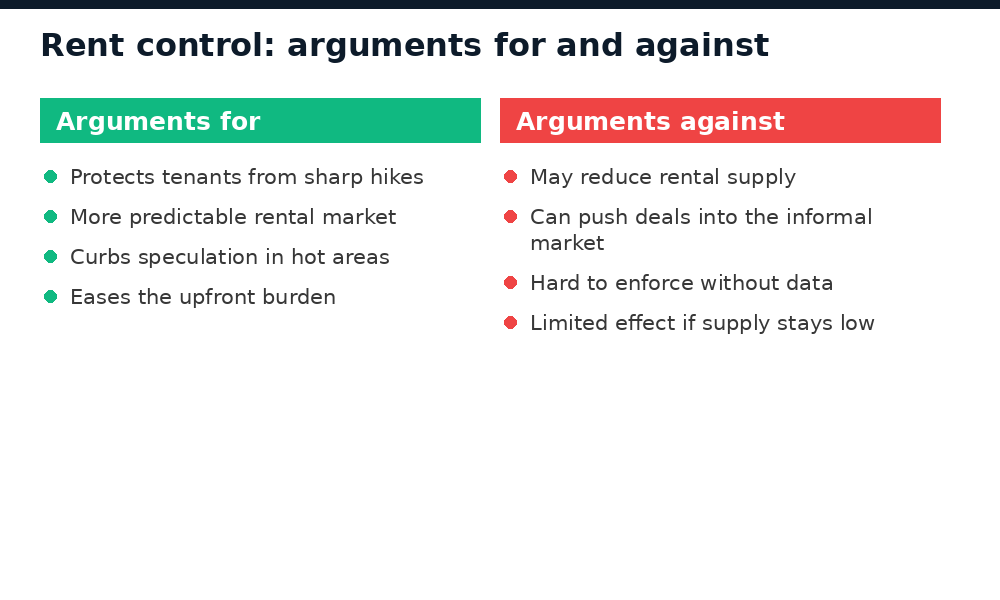
Rent control: arguments for and against
Supporters argue rent control protects tenants from sharp hikes, makes the market more predictable, curbs speculation and eases the upfront burden. Critics counter that it can reduce rental supply, push deals into the informal market, be hard to enforce without reliable data, and have limited effect if supply stays low. As with most housing policy, the design and enforcement matter as much as the principle.
What it could mean for you
If you’re a tenant, keep a written tenancy agreement, retain receipts, and know your rights under the relevant tenancy law. If you’re a landlord, fair, transparent terms and well-maintained properties are the best protection against future restrictions. Whatever the outcome, the lasting fix is more housing — which is exactly where federal and state programmes are now focused.
The bottom line
Rent control is a genuine option on the table, but it’s no silver bullet: only a larger housing supply can ease the pressure for good. In the meantime, both tenants and landlords benefit from clear, written agreements and a good-faith relationship. Watch this space — 2026 could prove a turning point for Nigeria’s rental market.
This article is general information and not legal advice; consult a qualified professional for your specific situation.