
aidafinckh1780
About aidafinckh1780
Read These Four Tips About Penthouse To Double Your Business
The real estate market does not move in one direction nationwide. It never has. What is happening in Austin is not what is happening in Cleveland. What is true for a three-bedroom in the suburbs of Dallas has almost nothing to do with a two-bedroom in San Francisco. Before you do anything else, narrow your focus to the specific market you are shopping in and stop reading national headlines as if they apply to you personally.
 In markets where new construction has been active, prices have pulled back. Markets that overheated fastest have cooled most noticeably. But those are the exceptions. Most markets are not working from excess; they are working from scarcity.
Affordability, by the standard measure of what share of median household income goes toward the monthly payment on a median-priced home, is near its worst level since the early 1980s. That is a real problem, and it is not going away quickly. A market can stay unaffordable for longer than most buyers expect to wait. What it means, practically, is that fewer people can compete for each property.
 Shop more than one institution, because the spread in rates and costs is real. A 0.25 percent gap between two lenders’ quotes adds up to around twenty thousand dollars over a thirty-year loan on a four hundred thousand dollar mortgage. Lender fees vary too. Request itemized fee schedules so you can compare apples to apples.
 If the report surfaces problems that go well beyond normal wear and tear, you have three options, not one, and walking away is a legitimate one of them. You can request a credit against the purchase price to handle repairs yourself. The one thing to avoid is accepting everything uncritically because you are afraid of losing the deal.
 Negotiation works best when it is quiet and well-prepared. Before you make an offer, find out whether there are other offers on the table or offers that have already fallen through. A listing that has been relisted after a cancellation is a fundamentally different negotiation than a property that is drawing multiple showings every day.
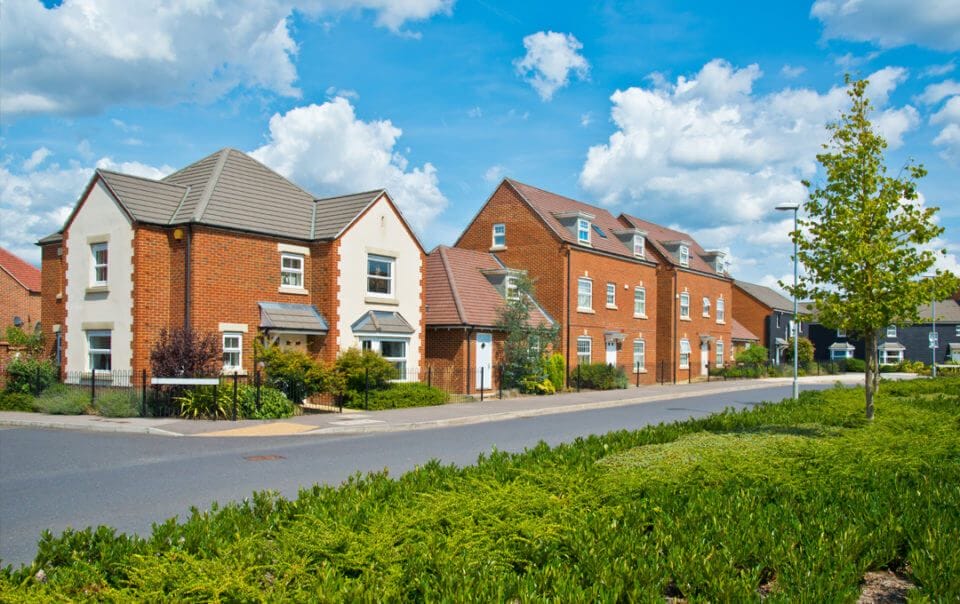 The timing question, whether to buy now or wait for prices to pull back, is the one that trips up more buyers than any other single factor. Waiting for the perfect moment is how people end up renting for another five years when they did not mean to. The more useful question is not whether now is the right time in the abstract; it is whether the home works for your actual life for the next five to seven years.
Buyers who take the time to do their homework tend to find that the market is more navigable than the headlines suggest. Spending twenty minutes with current homes for sale and market analytics is a better use of your time than waiting for conditions that may never arrive.
No listing found.